There are several important aspects of running a corporate site in the UAE that need to be considered. The personal information of customers, details of payments, and even the corporate image of your organization are at stake here.
There have been a number of cyber attacks on SMEs in the entire region that succeeded in compromising security by exploiting vulnerabilities in basic security measures.
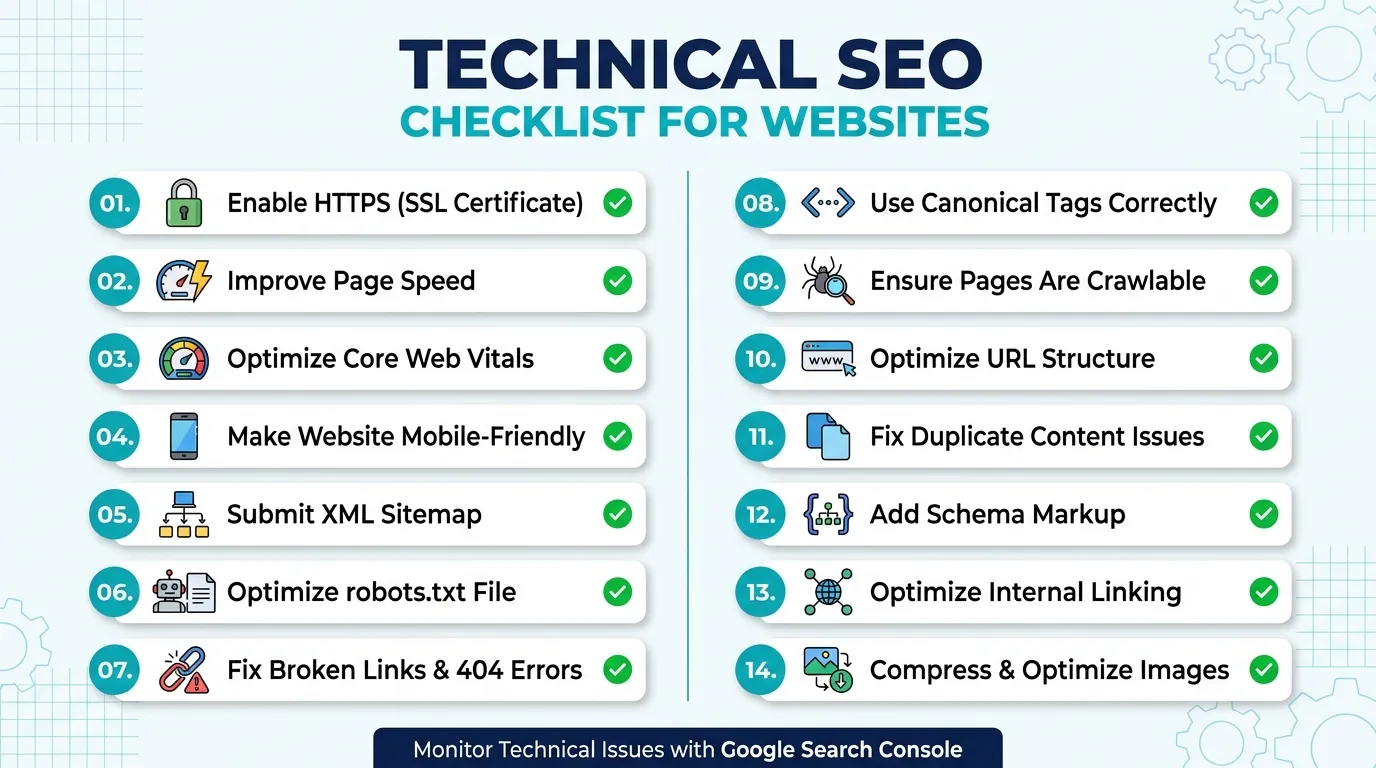
Use SSL Certificates for Website Protection
The SSL certificate ensures that the information transferred between your website and the people visiting the site is secure. When you submit a form on your website, login to your account, or make payments online, the SSL certificate protects this information from being exposed.
The presence of the SSL certificate can be recognized by the padlock symbol at the address bar of your browser and the ‘https’ URL.
In addition to protecting your website, Google also uses the SSL certificate as a search ranking factor. Websites without SSL certificates are labeled as ‘Not Secure,’ thus causing instant damage to your credibility in the eyes of potential customers. This makes the SSL certificate an essential part of your UAE-based business website.
Keep Website Software and Plugins Updated
Old software tends to be a favorite for hackers. Irrespective of whether your website is using WordPress, Shopify, or any other CMS software, it is imperative that you keep all the software and its plugins up-to-date. New versions of the software come out with security patches and fixing bugs.
It is recommended to create a schedule where you check for these software upgrades on a weekly basis. This can be automated on certain hosting platforms where the core software can be automatically updated. Spending a couple of minutes updating the plugin can save the business from major trouble.
Use Strong Passwords for Admin Accounts
A weak password for your admin account is the first step towards trouble. Ensure that the password is a combination of upper and lower case letters, symbols, and numbers, with a minimum of twelve characters. Avoid any easy to guess passwords such as the name of your business, contact details, or admin123.
A password manager helps to automate the process. Password managers create strong passwords and store them safely, meaning that you do not have to depend on your memory, which could make your account vulnerable to being hacked. Every admin account on your website needs to have a distinct password.
Enable Two-Factor Authentication (2FA)
The two-factor authentication method implements another authentication process while signing into the backend of your website. The person will have to pass another layer of authentication using either an authentication code received on their mobile phone or generated through an application if the person somehow manages to steal your password.
Most content management systems and web-hosting control panels provide two-factor authentication through Google Authenticator and its equivalents. Setting up two-factor authentication only requires around five minutes and helps avoid any sort of hacking attempt. Use it on every account having administrative rights on your site.
Choose Secure Website Hosting Services
Hosting company is the base where you set up your website. A secure hosting company offers services such as firewall protection, DDoS protection, automated backup, and segregated hosting environment. The lowest-priced plan for shared hosting usually comes with shared risks.
For companies based in the UAE that require customer data handling, you should seek out hosts that meet all data protection requirements as well as providing services from regional or local servers. There are numerous advantages to choosing UAE hosting or GCC region hosting.
Install a Website Firewall
A Web Application Firewall (WAF) acts as a barrier for any kind of traffic that might be harmful for your website. These applications are capable of stopping attacks such as SQL injections, cross-site scripting, and brute force attacks. Various websites like Cloudflare and Sucuri, as well as other service providers, offer WAFs that work via DNS, which means that attacks are filtered before reaching your server.
A web application firewall is suitable for most small to medium sized UAE based organizations due to affordability and ease of use.
Regularly Backup Website Data
Backup will be your solution once things go south. You do not want to spend time reconstructing your entire site from scratch in the event of any issue, such as hacking, conflicts with plugins, and accidental removal of data. You need to back up your site in a location that is different from where the server is located.
For active businesses, daily automated backup is required. Ensure that you have a reliable backup solution from your hosting service. In addition, you should use an automated backup software. Testing your backup ensures that the solution is working.
Limit Admin Access to Trusted Staff
Each individual with administrative access to your site presents a potential vulnerability. Only give administrative access to those people who really need it. A content writer does not require administrative access. A social media manager does not require database access.
Most CMS allow for role-based permissions and should be used as such. Make sure that when an employee leaves the company, all access is stripped away on the same day. Unused user accounts with valid passwords are common vulnerabilities and can easily be avoided.
Protect Customer Payment Information
However, if you use your website for making payments, then you need to ensure that the customer’s financial data is protected. Instead of storing your customers’ credit card details in your server, you can use a payment gateway service like PayTabs, Telr, or Stripe. This is because these companies store such financial information within their PCI-DSS-compliant systems.
You should also display trust indicators on your payment form. SSL lock icon, well-known payment methods logo, and privacy policy will encourage UAE customers to make purchases because these people are becoming more conscious of online security matters.
Scan Website for Malware Frequently
Malware might be lurking around on websites for weeks without any clear symptoms. The malware could potentially direct traffic, obtain information from forms, or even silently infect your server with the botnet. Malware scanning will help detect these issues before they get too big. You may use tools such as Sucuri SiteCheck, Wordfence (for WordPress), or any automated tool available by your hosting service.
Perform the check at least once per week. If your website processes lots of traffic/transactions daily, perform malware scanning even more often.
Conclusion
The security of websites owned by companies operating within the UAE is not something that can be set up once and for all. Website security is a continuous process.
Getting an SSL certificate, keeping the website’s software up to date, implementing strict access controls, and having a backup plan are some of the things that should be done when establishing website security.
Each of them helps increase your protection and combined will make your website a lot more difficult to compromise.