UAE has one of the busiest online shopping marketplaces in the region. The customer base in this part of the world is comfortable when it comes to shopping via the internet.
However, these people have a very high level of expectation, which means that any glitch in the process can lead to an irreversible loss of business for you. Below are some requirements for a successful e-commerce website in UAE.
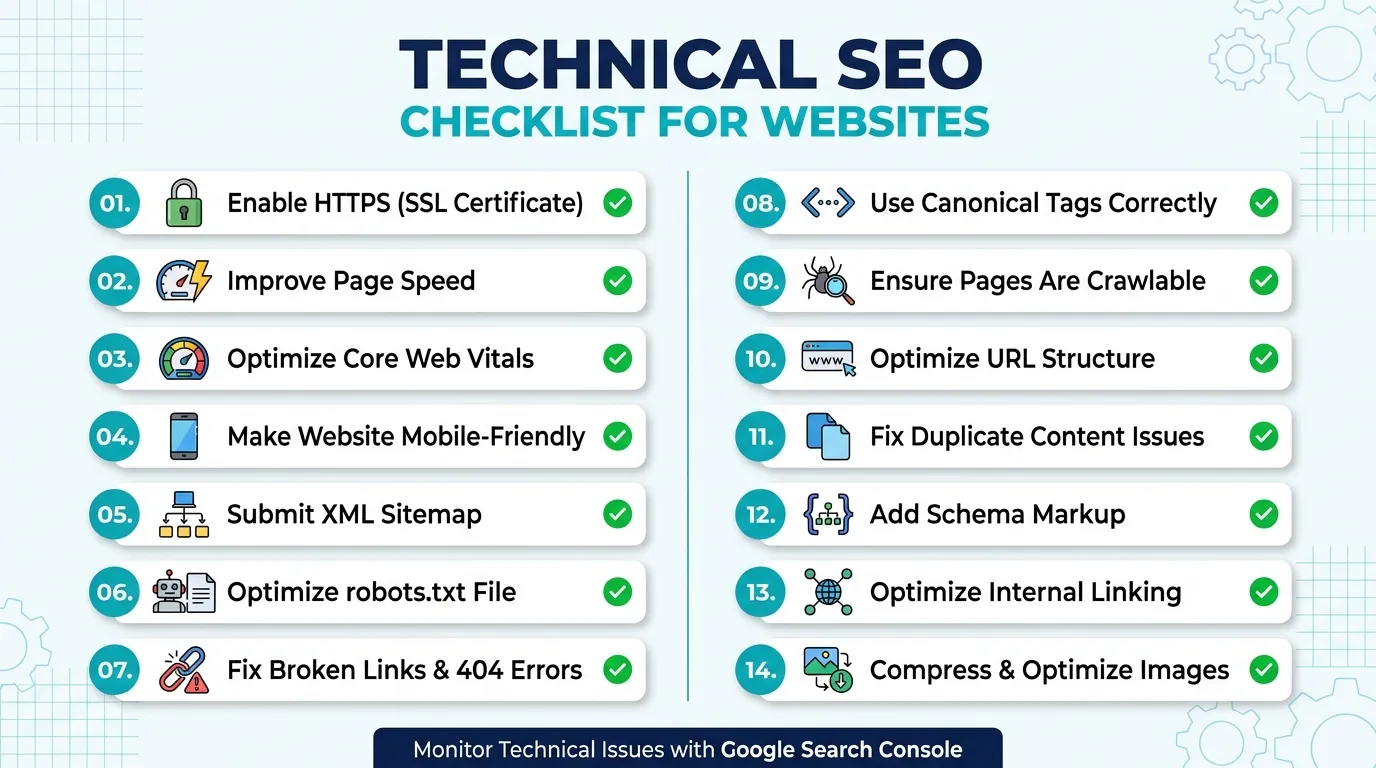
Mobile-Friendly Design
Most consumers in UAE shop using their cellphones. Your website should be designed to render well on mobile devices, where the font is legible, buttons are clickable, and checkout process does not require any pinching or sideways scrolling of the screen.
A web page optimized only for desktop will lose potential customers before even getting to see the items.
Fast Website Loading Speed
The page’s loading time will affect sales positively. Studies reveal that consumers who leave webpages that require more than three seconds for loading, while UAE internet connections are among the fastest in the world, thus slow websites stick out.
Make sure that product photos are compressed, use quality hosting services, and remove unnecessary scripts from your website, and remember that Google ranks faster websites first.
Secure SSL Certificate
SSL keeps the customer’s information safe when making payments. This is what makes the padlock icon appear at the address bar of the web browser and replaces the protocol used from HTTP to HTTPS.
The users from the UAE, particularly the new customers, usually look for this before giving their payment details. If this isn’t present, almost all browsers will flag it as an unsafe website.
User-Friendly Navigation
Your navigation determines how the customers will locate what they intended to locate on your website. Having a well-organized menu, a clear category system, and a readily available search box will ensure this becomes easier. Ensure you do not overload your primary menu with too many options; only include what is relevant.
Also, ensure that there is no excessive usage of drop-down menus. Each page on your store must be accessible through two or three clicks from the homepage.
Advanced Product Search and Filters
The users from UAE tend to come to your website with a specific item in mind, and a good search engine feature will help them achieve their goal. Filters such as price, size, color, manufacturer, or category are important in such cases.
Stores with a large variety of products can benefit greatly from such features. The ability to recognize different spellings of the searched items or synonyms is also useful.
High-Quality Product Images and Videos
These pictures are your substitutes for an actual shopping experience. Customers can neither feel nor test out the product; thus, having good quality photos from different angles is key to boosting their buying confidence.
When it comes to fashion, electronics, or even home products, having lifestyle pictures that depict the product in use tend to do better than just taking regular photos. Even short videos describing how the product works can make a difference.
Detailed Product Descriptions
An ideal product description will be able to answer the same questions that a customer would have in mind while interacting with a sales person. This includes the material, size, weight, compatibilities, and components provided in the package.
Be precise in your wording. Ambiguous terms such as “high quality” or “suitable for daily use” only confuse people and do not assist in any decision making. In Dubai, with your customer base comprising of many nationalities, using concise English will be ideal.
Multiple Payment Options
Payment methods vary among UAE customers, and your payment gateway should reflect this diversity. Credit/debit card payments are the norm, while buy now and pay later schemes, such as Tabby and Tamara, have become increasingly popular.
Cash on delivery remains important and is especially preferred by new users who are trying out a shopping site for the first time. Mobile wallets like Apple Pay and Google Pay have found widespread usage as well. Addressing all major payment modes helps avoid a prevalent issue that leads to abandoned shopping carts.
UAE-Friendly Checkout Process
The checkout system for the United Arab Emirates allows address formats specific to the UAE, automatically uses AED for currency display, and supports UAE logistics companies such as Aramex or Fetchr.
Having your checkout request zip codes in a format other than those used in UAE addresses or defaulting to US dollar prices leads to friction during checkout – exactly when you do not want friction. Showing delivery estimates by emirate is just one of many details that communicate to customers that their purchase is made locally.
Guest Checkout Option
One of the most frequent reasons why people drop their carts is the need to register an account in order to make a purchase. By providing a guest checkout, you allow your customers to make the payment with only an email address and shipping information.
This way, they will be offered to become members of your platform once they make the purchase and are motivated enough to keep their account in the future.
Conclusion
A successful online store for the UAE can be attributed to eliminating friction in every aspect of the process. Design for mobile devices, fast load times, safe payment processing, and a localized checkout experience are those elements that will make it convenient to use and to purchase from your site.
Once you implement these elements, you have good chances of keeping your visitors on the site.
Also Read: Why UX Design Matters for Ecommerce Stores in UAE?