There’s a huge difference between having a website and having one that truly works for your business. Many companies in the UAE spend money and time creating thoughtful websites and wonder why people don’t engage in any activity once they visit the website.
In most cases, it’s not about the products or services that you offer but rather the website itself that needs some improvement. Therefore, let’s have a look at how to make your online presence more inviting and effective, minimising the common website design mistakes!
Ignoring Mobile Users in the UAE
Every hand carries a mobile phone! One thing that stands out about the UAE is its high smartphone penetration rate in the world.
Most probably, most of your visitors who access your site will likely be using their smartphones instead of their desktops. If your website lacks mobile optimization, then visitors will just leave.
Mobile optimization engages users by changing the format, font, and button sizes automatically depending on screen size. You must also consider aspects such as the tap targets; these must be big enough to allow easy navigation, while the content should not involve horizontal scrolling.
Slow Website Speed
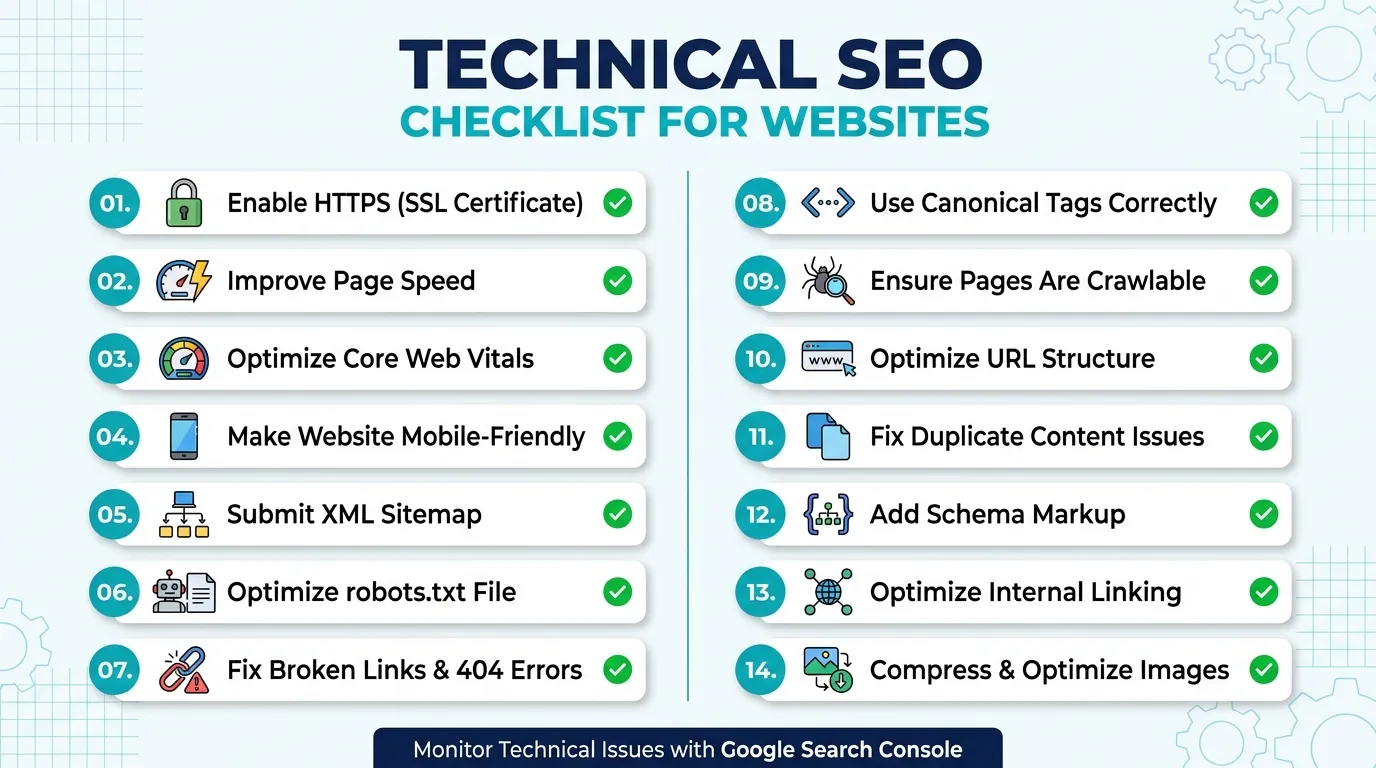
Page loading time directly impacts how much time visitors spend on your website. Studies have shown that most visitors abandon any web page that takes more than three seconds to load.
In markets such as the United Arab Emirates, where everything is expected to be fast, a slow website suggests that you cannot deliver what you promise.
Factors that make your page go slow can result from large images, excessive coding, and bad hosting. Compression of images, use of browser caching, and choosing a host whose servers are closer to your location can significantly increase your page speed.
Poor Arabic Language Support
The majority of people living in the United Arab Emirates read and surf the Web using Arabic. An exclusively English website automatically excludes them from your target audience.
However, translating your website into Arabic is more complicated than simply putting a translation on your website. The language is written from right to left, thus requiring changes to your website’s layout. Buttons, navigation, alignment, and even spacing will be different for an RTL layout. Simply copying and pasting the translated content to your existing website design will look incompetent and ineffective.
Weak Call-to-Action Placement
This is the part of your landing page which instructs your visitor on the action to take. When placed at the bottom of the page in small print, blended into the background, you lose them.
This could be anything from a telephone number, WhatsApp link, book now button, or contact page, but each of your pages must have an obvious call to action.
For the UAE market, WhatsApp is the preferred medium of communication, and companies that make it easy for customers to contact them receive much higher engagement than those who depend only on their email forms.
Using Outdated Website Designs
An outdated website raises questions. People judge a company by the way their website is designed, and if it seems like it hasn’t been updated in five years, then people will assume the company hasn’t been updated either.
Well, that does not mean you have to be on top of every trend. Rather, you need clean layouts, updated typography, quick-loading images, and a website layout that goes simultaneously with modern browsing habits. As you know, being behind in this area is especially problematic in Dubai and Abu Dhabi.
Complicated Navigation Menus
Great navigation should make it easy for users to find their way without having to pause and think. When menus are too complicated, names are unclear, or multi-level drop-downs can be frustrating for your visitors and might even cause high bounce rates.
It is sufficient to have a clean menu with between five and seven labelled items for most commercial sites. The most important pages, your services, your about, and your contact page should all be accessible via one click from any part of the website.
Lack of Local SEO Optimization
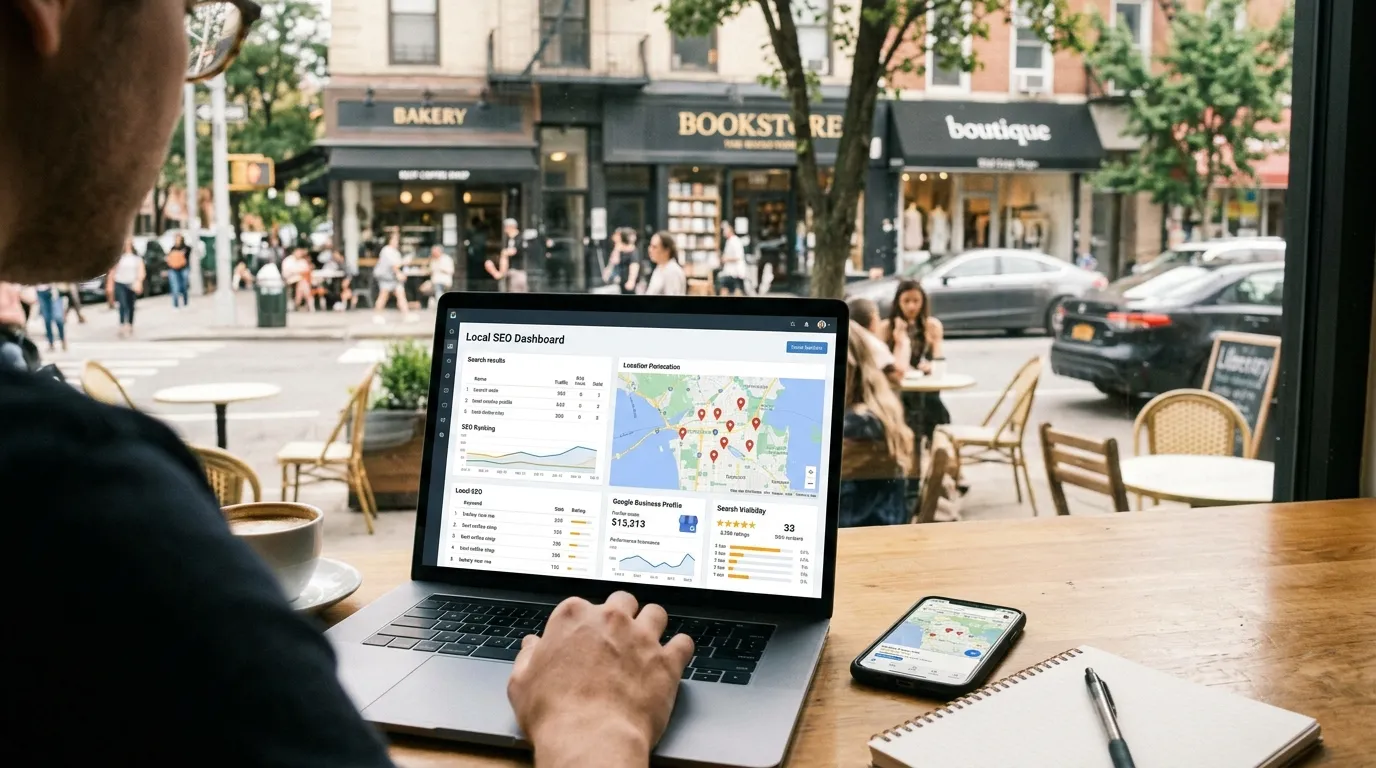
An unoptimized website does not get seen by individuals searching for products and services in their area. When it comes to Local SEO for UAE companies, it includes the inclusion of geographic keywords into your content, creating and managing your Google My Business account, as well as having a consistent NAP everywhere.
Creating content related to your city or geographical location is part of the process too, regardless of which lively city you are talking about, for example, Dubai, Sharjah, Abu Dhabi, or another city.
Not Optimizing for Conversions
Leads and sales are one of the top things you count on for a good website. If there is traffic but that does not convert into leads or sales, it is something you must ponder over.
Many websites of businesses in the UAE manage to drive traffic but fail miserably in converting even a small percentage of it into anything tangible.
What conversion rate optimization does is analyse where the visitors stop, what they do on the page, and what prevents them from taking the desired action.
Small changes in things like more prominent headlines, streamlined contact forms, and adding trust factors such as testimonials and client logos can make a big difference.
Ignoring Website Security
There are serious risks associated with running an unsecured website. If there is no SSL certificate, browsers will categorize your website as “not secure,” which alone will deter potential visitors from using your site.
In addition, businesses operating in the UAE that deal with sensitive information of any kind have to comply with the country’s data protection laws and ensure the safety of all such information.
To keep things running smoothly, it’s a good idea for you to regularly update your software, choose reliable web hosting, set up SSL certificates, and put some basic security measures in place. These steps will eventually help you build trust, and skipping them could really hurt your reputation!
Conclusion
However, all these mistakes can be corrected. None of them demands that you start from scratch by recreating your website from scratch.
The priority should be correcting the mistakes that will have a direct impact on users’ experience, such as mobile usability, load time, and call-to-action buttons. Next comes local search engine optimization, Arabic compatibility, and security targeting the UAE businesses.
A website that provides a good user experience, loads quickly, and encourages users to take action is the one that brings real profits. In the UAE, which is a highly competitive market for almost every industry, such a smooth and reliable website is a necessity.